How My Hobbies Transformed the Way I Eat — And Why Yours Could Too
Have you ever noticed how the things you love to do can quietly shape your daily habits? I certainly didn’t — until my weekend gardening and evening sketching started influencing what I put on my plate. Turns out, hobbies aren’t just for fun; they can gently guide us toward better eating. No strict rules, no willpower battles — just natural shifts rooted in joy. Let me walk you through how this unfolded for me.
The Hidden Link Between Hobbies and Eating Habits
What we do in our free time may seem unrelated to our food choices, but science shows a quiet but powerful connection. Engaging in meaningful hobbies activates parts of the brain linked to focus, satisfaction, and emotional regulation. When people spend time in a state of flow — deeply absorbed in an activity they enjoy — their minds are less likely to wander toward food for comfort or distraction. This shift is not about willpower; it’s about redirection. The brain naturally seeks reward, and when a hobby provides that reward through creativity, movement, or accomplishment, the urge to eat out of boredom or stress begins to fade.
Studies in behavioral psychology suggest that leisure activities that promote mindfulness, such as painting, knitting, or tending to plants, help individuals become more aware of their bodily signals, including hunger and fullness. This heightened awareness supports more intentional eating patterns. For example, someone who spends an hour gardening may notice they feel energized rather than restless afterward — a state that makes reaching for a handful of almonds more appealing than a bag of chips. The rhythm of a hobby can also create natural pauses in the day, offering moments to reflect before eating, rather than reacting impulsively.
Moreover, hobbies often structure time in a way that reduces idle moments — those vulnerable gaps where snacking tends to happen. When the evening is filled with a satisfying activity like playing music or working on a puzzle, there’s less mental space for food to dominate attention. This doesn’t mean hobbies should replace meals or be used to suppress appetite. Instead, they serve as anchors that bring balance, helping individuals reconnect with their body’s true needs. Over time, these small shifts accumulate into lasting changes in how and why we eat.
Why Stress Eating Starts — And How Hobbies Disrupt It
Stress eating is one of the most common barriers to healthy eating, especially among women balancing family, work, and personal responsibilities. When cortisol levels rise due to daily pressures, the body craves quick energy — typically in the form of sugary, fatty, or salty foods. These foods trigger a temporary sense of relief by activating the brain’s reward system. However, this cycle often leads to guilt, fatigue, and further cravings, creating a pattern that’s hard to break. The key to disrupting this cycle isn’t restriction, but replacement — offering the brain an alternative source of comfort and satisfaction.
Hobbies provide exactly that. Activities like sewing, woodworking, or playing an instrument stimulate the release of dopamine, the brain’s “feel-good” chemical, without the metabolic consequences of overeating. Unlike food, which offers a fleeting reward, hobbies build a sense of accomplishment and progress. This long-term satisfaction helps regulate mood and reduces the need to seek comfort in snacks. Research from the American Psychological Association indicates that individuals who engage in regular leisure activities report lower levels of perceived stress and greater emotional resilience.
Additionally, hobbies foster a sense of control and predictability in an otherwise unpredictable day. For a mother managing household routines, spending 20 minutes arranging flowers or journaling can restore a feeling of agency. This emotional stability makes it easier to pause before eating and ask, “Am I truly hungry, or am I just tired or overwhelmed?” Over time, this practice strengthens self-regulation, a skill that directly translates to better food choices. Hobbies don’t eliminate stress, but they equip individuals with healthier tools to manage it — tools that nourish the mind as much as food nourishes the body.
Gardening: From Soil to Salad, a Healthier Plate Grows Naturally
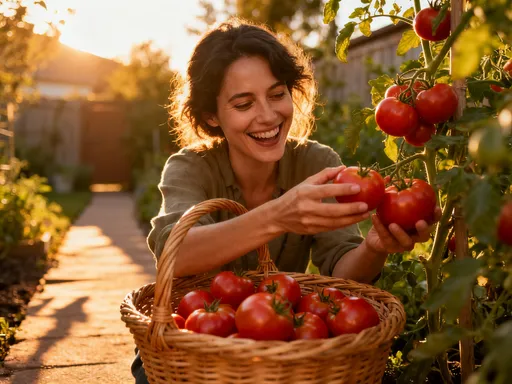
One of the most transformative hobbies I’ve adopted is gardening. What began as a small attempt to grow herbs on my windowsill turned into a backyard vegetable patch that now supplies much of our summer meals. The change in my eating habits wasn’t forced — it happened naturally. When you’ve spent weeks nurturing a tomato plant, watering it, watching it flower, and finally harvesting its fruit, you’re far more likely to savor it fresh rather than reach for a jar of sauce. There’s a pride and connection that makes whole foods more appealing, almost irresistible.
Gardening engages all the senses — the smell of damp soil, the texture of leaves, the vibrant colors of ripening vegetables. These sensory experiences deepen our relationship with food, making processed alternatives seem dull by comparison. Children who grow their own vegetables are more likely to eat them, and the same principle applies to adults. When food is no longer an abstract item from a store but something you’ve helped create, your preferences shift toward freshness and simplicity. Salads become more exciting, and meals feel more meaningful.
Starting a garden doesn’t require a large yard or expert knowledge. Even a few pots on a balcony can yield lettuce, cherry tomatoes, or herbs like basil and mint. Begin with easy-to-grow plants, use quality soil, and water consistently. The key is consistency, not scale. Over time, gardening teaches patience and observation — qualities that transfer to eating habits. Just as you learn to wait for a pepper to ripen, you become more willing to wait for hunger cues or choose foods that truly nourish. This slow, intentional rhythm becomes a foundation for lifelong healthy eating.
Creative Hobbies and Mindful Eating: Drawing, Crafting, Cooking
Creative activities like drawing, knitting, or pottery cultivate presence — the ability to focus on the current moment without judgment. This quality is essential for mindful eating, which involves paying full attention to the experience of eating: the taste, texture, aroma, and pace of each bite. When we eat mindfully, we’re more likely to recognize when we’re full, enjoy our food more, and avoid overeating. Creative hobbies train this skill by requiring focus on detail, rhythm, and process, all of which carry over into how we approach meals.
Cooking, in particular, blurs the line between hobby and health practice. When cooking is approached as an act of creation rather than a chore, it transforms the entire relationship with food. Instead of relying on pre-packaged meals, individuals begin to explore ingredients, experiment with flavors, and take pride in preparing nourishing dishes. This curiosity naturally reduces dependence on processed foods, which often contain hidden sugars, unhealthy fats, and excess sodium. A simple hobby like baking bread from scratch can lead to a deeper appreciation for whole grains and natural fermentation.
Turning cooking into a joyful practice starts with mindset. Instead of viewing it as a daily obligation, frame it as a form of self-care or creative expression. Play music while chopping vegetables, invite family members to help, or try one new recipe each week. Use fresh ingredients from the market or garden, and focus on the process, not just the outcome. Over time, this shift makes healthy eating feel less like a diet and more like a natural extension of a fulfilling lifestyle. The kitchen becomes a place of pleasure, not pressure — and meals become moments of connection, not consumption.
Movement-Based Hobbies That Rewire Cravings
Physical activity is often framed as a tool for burning calories, but when it’s experienced as a hobby — something enjoyable and self-directed — its impact on eating habits goes far beyond metabolism. Dancing, hiking, swimming, or cycling can change how we feel in our bodies, and that feeling directly influences food choices. When you finish a brisk walk through the woods or a joyful dance session in your living room, you’re more likely to want to fuel your body with foods that support that energy and vitality. You begin to crave nourishment, not numbing.
This shift is driven by internal motivation rather than external rules. Instead of eating certain foods because they’re “allowed” on a diet, you choose them because they make you feel strong, clear-headed, and capable. For example, someone who hikes regularly may notice that heavy, greasy meals leave them feeling sluggish on the trail, while meals rich in vegetables, lean protein, and whole grains enhance endurance and recovery. These observations lead to natural adjustments, not restrictions. The body begins to guide the choices, supported by positive feedback from enjoyable movement.
Movement-based hobbies also improve body awareness, helping individuals tune into hunger and fullness cues more accurately. After a long bike ride, you may feel genuinely hungry and eat with intention, rather than grazing out of habit. Over time, this builds a healthier relationship with food — one based on respect and care, not control or punishment. The goal isn’t to earn food through exercise, but to create a lifestyle where movement and eating work together to support overall well-being. When physical activity feels like freedom, not obligation, healthy eating follows as a natural companion.
Building Routines Where Healthy Eating Feels Effortless
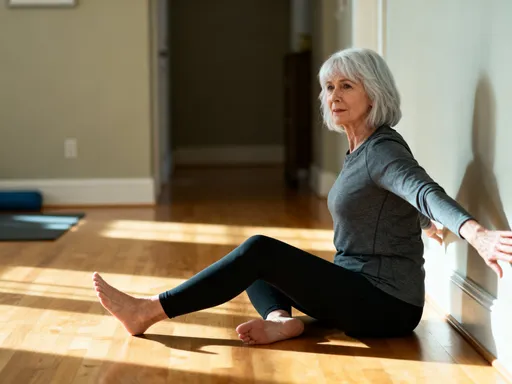
Sustainable change rarely comes from drastic overhauls, but from small, consistent habits woven into daily life. One of the most effective strategies is habit stacking — linking a new behavior to an existing one. For example, preparing a smoothie after yoga, or enjoying a piece of fruit while tending to houseplants, creates natural associations between enjoyable activities and healthy eating. These pairings reduce the mental effort required to make good choices, making them feel effortless over time.
Meal timing can also be aligned with hobbies to support energy balance. If you garden in the late afternoon, plan a light, nutrient-dense snack beforehand to sustain energy, and a balanced meal afterward to replenish. If you paint in the evening, keep water and a small bowl of nuts nearby instead of sugary treats. These small adjustments create structure without rigidity, allowing healthy eating to emerge as part of a rhythm, not a rule.
Planning meals around hobbies also enhances satisfaction. After a long hike, a warm bowl of soup feels deeply rewarding — not because it’s “healthy,” but because it matches the body’s needs and the moment’s mood. This alignment fosters a sense of harmony between activity and nourishment. Over time, the brain begins to associate certain foods with positive experiences, strengthening the desire for them. The result is a lifestyle where healthy eating isn’t a separate goal, but a natural outcome of a well-lived day.
Making It Last: Choosing Hobbies That Support Long-Term Wellness
For hobbies to truly influence eating habits, they must be sustainable — something you can return to regularly without burnout or pressure. The best hobbies are accessible, enjoyable, and require minimal setup. They don’t demand perfection or expensive equipment. A simple walk in nature, folding laundry with attention to texture, or arranging flowers from the garden can be just as powerful as more elaborate pursuits. The key is consistency and personal meaning, not complexity.
It’s important to choose hobbies that bring genuine joy, not those pursued out of obligation or with the sole aim of improving health. When a hobby feels like a duty, it can increase stress rather than reduce it — defeating the purpose. Instead, let curiosity guide you. Try different activities, notice how they make you feel, and keep what brings peace, energy, or delight. Over time, the hobbies that support wellness will reveal themselves naturally.
Long-term change is not about dramatic transformations, but about small, repeated actions that add up. One day of gardening won’t change your diet, but a season of tending to plants likely will. The same is true for any hobby that engages your mind and body. When joy is the driving force, healthy habits follow without struggle. Wellness becomes not a goal to achieve, but a byproduct of a life well-lived — rich with meaning, connection, and simple pleasures.
Integrating hobbies into daily life creates a ripple effect that extends far beyond leisure time. It reshapes routines, softens stress, and gently guides food choices toward balance and vitality. The most powerful force in sustainable health isn’t discipline — it’s desire. When we fill our days with activities that fulfill us, we naturally seek foods that honor that fulfillment. Let passion lead. Start small. Stay curious. And let the joy you cultivate in your hobbies nourish every part of your life — including what’s on your plate.