Lost in the Clouds: My Secret Escape to Bogotá’s Wild Side
Have you ever felt the city’s rhythm sync with mountain mist? Bogotá isn’t just streets and skyscrapers—hidden beyond its urban pulse are misty paramos, emerald highlands, and trails that lead straight into the sky. I went looking for peace and found magic instead. This is not your typical tour guide fantasy. This is real, raw, and breathtakingly beautiful. Far from the noise and pace of everyday life, a quieter version of Bogotá waits—where nature doesn’t just surround the city, it shapes its soul. For those willing to step beyond the map, these landscapes offer more than scenery. They offer stillness, clarity, and a deep connection to something ancient and enduring.
Beyond the City: Discovering Bogotá’s Natural Soul
Bogotá is often introduced through its museums, colonial architecture, and bustling markets, but its true character unfolds in the wild spaces just beyond the city limits. Sitting high in the Andes at an elevation of over 2,600 meters, Bogotá is cradled by a unique blend of ecosystems that few capital cities can claim. To the east, the mountains rise sharply into cloud forests and high-altitude moors known as páramos—ecological treasures that serve as vital water sources for millions. These are not merely scenic backdrops; they are living, breathing systems that regulate climate, filter water, and support rare species found nowhere else on Earth.
While many visitors spend their time navigating the urban energy of La Candelaria or shopping in Zona T, those who venture outward discover a different Bogotá—one defined by silence, mist, and moss-covered trails. The city’s proximity to protected natural parks means that within an hour’s drive, skyscrapers give way to rolling highlands where condors circle above deep ravines and wildflowers bloom in sheltered clearings. This closeness to wilderness isn’t accidental. It’s the result of decades of environmental awareness and conservation efforts that recognize how fragile these ecosystems are and how essential they are to the city’s survival.
What makes this natural soul so compelling is its accessibility. You don’t need to be an experienced mountaineer or travel deep into remote regions to experience it. Families, solo travelers, and weekend hikers can all find trails and viewpoints that offer immersion without extreme difficulty. The integration of nature into daily life—whether through weekend excursions, school field trips, or city-led reforestation projects—reflects a cultural respect for the land that has grown stronger in recent years. Bogotá’s identity, then, is not just shaped by its people and history, but by the very soil and sky that hold it together.
The Magic of the Páramo: Walking Among Ancient Plants
One of the most unforgettable experiences near Bogotá is stepping into the world of the páramo. A short drive from the city leads to Chingaza National Natural Park, a protected area where the high-altitude moorlands stretch across rolling hills and misty valleys. This is not a landscape you can fully grasp from a photograph. It must be felt—the crisp air on your skin, the soft crunch of soil underfoot, the sudden hush that falls when the clouds roll in. The páramo is a place of quiet intensity, where life moves slowly and purposefully, shaped by centuries of adaptation to cold, damp, and thin air.
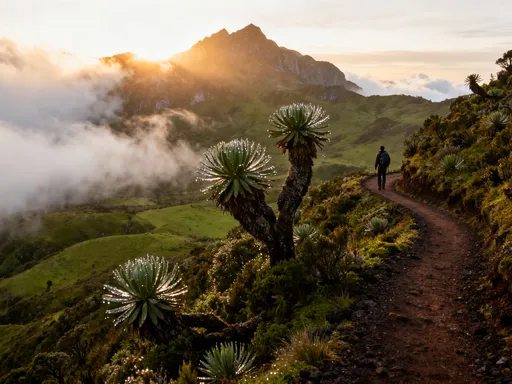
At the heart of this ecosystem are the frailejones—towering plants with thick, woolly leaves that seem to glow in the low light. These are not just curiosities; they are ecological engineers. Their dense foliage captures moisture from fog and clouds, slowly releasing it into the ground, acting as a natural sponge that feeds rivers and reservoirs below. In fact, over 70 percent of Bogotá’s drinking water originates in páramo regions like Chingaza. This makes the conservation of these areas not just an environmental issue, but a matter of public health and urban sustainability.
Hiking through Chingaza is less about reaching a summit and more about being present. There are no dramatic peaks or panoramic vistas—at least not in the traditional sense. Instead, the beauty lies in subtle shifts: the way sunlight filters through the fog, the sound of a hidden stream, the sudden appearance of a Andean fox darting between rocks. I remember stopping mid-trail, catching my breath, when the mist suddenly lifted. For a few seconds, an entire valley was revealed, bathed in golden light, before the clouds closed in again. It felt like a secret the land had chosen to share.
For visitors, preparation is key. The best time to visit is during the drier months, from December to February and June to August, when trails are more stable and visibility is higher. Temperatures can drop below freezing at night, so layered clothing, waterproof boots, and a warm jacket are essential. Because Chingaza is a protected area, access may require advance permits or guided tours, especially for international travelers. Staying on marked trails is not just a rule—it’s a responsibility. The soil here is delicate, and even a single footprint can disrupt the slow-growing vegetation. By moving with care, visitors honor the fragility of this rare ecosystem.
Monserrate: More Than a Postcard View
No image of Bogotá is more iconic than the view of the city from Monserrate, the towering hill that rises sharply to the east. The white church perched at the summit has become a symbol of the city, visible from nearly every neighborhood. Most tourists take the cable car or funicular railway to the top, and for good reason—they offer stunning views with minimal effort. But for a deeper connection, I chose the old pilgrimage path, a stone trail that has carried visitors, monks, and locals for centuries.
The ascent is no small feat. The trail climbs nearly 600 meters over two kilometers, with uneven steps and steep inclines that test your endurance. But the challenge is part of the experience. Halfway up, the forest thickens, and the air cools. Hummingbirds hover near fuchsia flowers, and small vendors sell warm arepas de choclo and sweet coffee from roadside stalls. These moments of human warmth amid the natural climb make the journey feel personal, almost sacred. Unlike the quick ride up, the walk allows time to reflect, to notice the shift in light, to feel the altitude in your lungs.
Reaching the summit at sunrise was one of the most moving moments of my trip. As the first light touched the rooftops, the city slowly came alive—traffic began to hum, streetlights blinked off, and the haze lifted to reveal a vast urban landscape nestled in a high mountain basin. From this height, Bogotá didn’t feel chaotic. It felt alive, interconnected, held together by the ring of mountains that encircle it. The church, often seen as a religious site, also serves as a cultural anchor—a place where people come to celebrate, reflect, and find peace.
What makes Monserrate special is not just the view, but what it represents. It’s a reminder that even in a modern city, there are spaces for stillness and reverence. Whether you arrive by foot, rail, or cable, the experience can be meaningful if approached with intention. Locals often make the climb during religious holidays or personal milestones, treating it as a ritual. Visitors can honor this tradition by moving slowly, staying respectful, and taking time to appreciate not just the panorama, but the journey itself.
Hidden Valleys and Secret Waterfalls: Escaping the Crowds
For those seeking solitude, Bogotá’s surroundings offer quiet refuges far from tourist crowds. One such place is La Chorrera, Colombia’s tallest waterfall, located about two hours from the city in the municipality of San Rafael. Unlike more famous waterfalls with viewing platforms and souvenir stands, La Chorrera remains relatively untouched. The final approach requires a moderate hike through oak and cloud forest, where tree roots twist across the path and moss blankets every surface. When the waterfall comes into view—plunging 590 meters down a sheer cliff—it feels like discovering a secret.
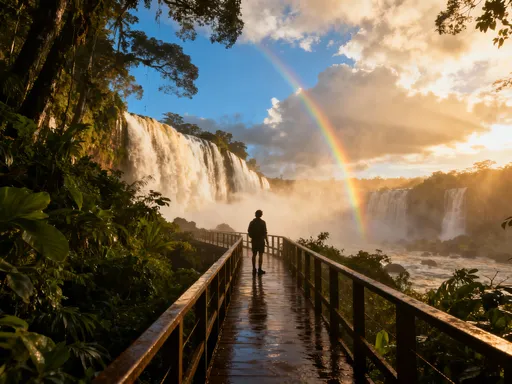
The sound hits first: a deep, continuous roar that grows louder with every step. Then, the mist—cool and refreshing—rises from the base, coating your skin and clothes. Standing at the viewpoint, you can watch the water twist and fall, catching sunlight in fleeting rainbows. Because the trail is less promoted and requires some effort, few international tourists make the trip. On the day I visited, I shared the view with only a handful of local hikers and a pair of biologists studying bird species in the canopy.
Nearby, Tequendama Falls offers a different kind of power. Once a major natural attraction, it has faced environmental challenges due to pollution and reduced water flow from upstream development. While still impressive, its current state serves as a cautionary tale about the impact of human activity on natural wonders. In contrast, La Chorrera remains vibrant, thanks in part to its remote location and local conservation efforts. Community-led initiatives in the region promote sustainable tourism, with guides offering walks that support both environmental protection and rural livelihoods.
Planning a visit requires some preparation. The trail to La Chorrera is well-marked but can be slippery when wet, so sturdy hiking shoes and rain gear are recommended. Bringing water, snacks, and a small first-aid kit ensures safety, especially since help is not immediately available. Most importantly, visitors should practice Leave No Trace principles—packing out all trash, avoiding loud noises, and staying on the trail. These small actions help preserve the integrity of the landscape and ensure that future generations can experience its quiet majesty.
How Nature Shapes the City’s Pulse
Bogotá’s relationship with nature is not limited to weekend escapes. It permeates daily life in ways both visible and subtle. The city’s cool, crisp climate—a result of its high elevation—is a direct gift of the surrounding mountains and forests. The air feels cleaner here than in many lowland cities, not by accident, but because the páramos and cloud forests act as natural filters, removing pollutants and regulating humidity.
This connection is reflected in Bogotá’s urban culture. Every Sunday and public holiday, the city transforms during Ciclovía, when over 120 kilometers of streets close to motor vehicles and open to cyclists, runners, and walkers. Families roll out yoga mats on closed avenues, children ride bikes in safety, and street performers fill the air with music. This tradition, now over 40 years old, is more than recreation—it’s a statement about the value of shared, car-free space. It shows how a city can reclaim its streets for people, not just traffic.
Urban parks like Simón Bolívar Central Park serve a similar purpose. Spanning over 400 hectares, it’s a green lung in the heart of the city, hosting concerts, fitness classes, and environmental education programs. Unlike manicured European parks, Simón Bolívar embraces a more natural aesthetic, with open fields, wooded areas, and lagoons that attract migratory birds. It’s common to see parents teaching children about local plants or retirees feeding ducks by the water. These everyday interactions foster a quiet but powerful environmental awareness.
Even city planning reflects this ethos. Green corridors link parks and natural reserves, allowing wildlife to move safely and giving residents easy access to nature. Reforestation projects, often led by schools and community groups, plant native species to restore degraded areas. These efforts are not just about beautification—they’re about resilience. As climate patterns shift, Bogotá’s green infrastructure helps manage rainfall, reduce heat, and protect water sources. In this way, nature isn’t an escape from the city; it’s woven into its rhythm and future.
Practical Tips for Experiencing Nature Around Bogotá
For first-time visitors, the high altitude can be a surprise. At over 2,600 meters, Bogotá sits higher than many mountain towns in Europe or North America. It’s common to feel short of breath, fatigued, or even develop mild headaches during the first few days. To acclimatize, experts recommend arriving a few days early, staying hydrated, avoiding alcohol, and starting with light activities. Gentle walks in parks like Parque Nacional or the botanical garden can help your body adjust before tackling more strenuous hikes.
When planning excursions, transportation options vary. Renting a car offers flexibility, but road conditions in rural areas can be challenging, and some parks require guided access. For example, Chingaza National Natural Park often mandates local guides for entry, both for safety and conservation reasons. Joining a reputable guided tour can simplify logistics, provide expert insight, and ensure compliance with park regulations. Many eco-tourism operators offer small-group hikes with bilingual guides who emphasize environmental responsibility.
Packing wisely makes a big difference. The weather in the Andes changes rapidly—sunny mornings can turn into rainy afternoons within an hour. Dressing in layers is essential: a moisture-wicking base layer, an insulating mid-layer, and a waterproof outer shell. A wide-brimmed hat, sunglasses, and high-SPF sunscreen protect against strong UV rays at high elevation. Hiking boots with good ankle support prevent slips on uneven terrain, and a daypack with water, snacks, and a basic first-aid kit ensures preparedness.
Always check the status of parks before visiting. Some areas may close temporarily due to weather, maintenance, or conservation efforts. Websites for national parks or local tourism offices provide up-to-date information on access, permits, and safety guidelines. Respecting local rules—such as not feeding wildlife, staying on trails, and avoiding plastic waste—helps protect these fragile environments. With thoughtful preparation, even novice travelers can safely enjoy Bogotá’s wild side.
Why Protecting These Places Matters—And How You Can Help
The natural wonders around Bogotá face growing threats. Climate change is altering rainfall patterns, affecting the delicate balance of the páramo. Rising temperatures can dry out the sponge-like soil, reducing its ability to store and filter water. Pollution from urban runoff and agricultural chemicals further stresses these ecosystems. Unplanned development, including illegal housing and road expansion, encroaches on protected zones, fragmenting habitats and increasing erosion.
The frailejón, a symbol of the páramo, is particularly vulnerable. These plants grow extremely slowly, taking decades to mature. Once damaged, they may not recover within a human lifetime. Scientists warn that without strong conservation measures, some páramo regions could disappear within the next 50 years. This isn’t just an environmental loss—it’s a direct threat to Bogotá’s water security and public health.
Visitors play a crucial role in protection. Responsible tourism starts with awareness. Staying on marked trails prevents soil compaction and plant damage. Avoiding single-use plastics reduces pollution that can enter waterways. Choosing eco-certified tour operators supports businesses that prioritize sustainability. Some community-based tourism initiatives near rural trails offer guided walks where fees directly fund local conservation projects. By participating, travelers contribute to both economic and environmental well-being.
Education is another powerful tool. Many schools and NGOs in Bogotá run programs that teach children about the importance of páramos, forests, and watersheds. Volunteers can join reforestation days or citizen science projects that monitor bird populations or water quality. Even small actions—like sharing photos with conservation messages or choosing reusable bottles—can inspire others. Protection doesn’t require grand gestures; it begins with mindful choices made every day.
A City Held by Nature
Bogotá taught me that cities don’t have to stand apart from nature—they can be cradled by it. From misty peaks to rushing falls, its wild heart beats just beyond the traffic and noise. These places don’t just inspire awe; they sustain life. The real journey isn’t just about where you go—it’s about how deeply you see. And if you let it, Bogotá will show you a different kind of wonder: one rooted in silence, soil, and sky. This is not an escape from reality, but a return to it. In the hush of the páramo, the rush of a hidden waterfall, the slow climb up an ancient trail, there is a reminder: we are not separate from nature. We are part of it. And when we protect these spaces, we are not just preserving scenery—we are safeguarding the very systems that allow cities, and lives, to thrive.