You Gotta See Daejeon From These Spots — Mind-Blowing Views You Can’t Miss
Daejeon isn’t just Korea’s tech hub — it’s a city of quiet hills, winding rivers, and unexpected panoramas. I never thought this inland city could offer such breathtaking views, but every sunset from its overlooks left me speechless. From mountain trails to rooftop cafés, Daejeon hides some of the most stunning cityscapes and natural vistas in the country. This is your real-deal guide to the best viewpoints that locals love and travelers often miss.
Why Viewpoints Matter in Daejeon
Daejeon is often overshadowed by Seoul’s glitter or Busan’s coastal charm, yet this mid-sized city offers a unique blend of urban development and natural serenity. Unlike metropolises built on flat plains or rugged coastlines, Daejeon is nestled among rolling hills and threaded by the gentle Gapcheon Stream, creating a layered landscape where nature and cityscape coexist in harmony. This geographical balance makes its viewpoints not just scenic, but symbolic — they reflect a city that values innovation without sacrificing tranquility.
What sets Daejeon’s vantage points apart is their accessibility and diversity. You don’t need to trek for hours or pay for a luxury hotel stay to witness a spectacular view. A short walk along a riverside path, a modest climb up a forested trail, or an evening coffee at a local café can reward you with a vista that captures the soul of the city. These perspectives are not just background for photographs; they offer moments of pause, reflection, and connection with the environment.
Moreover, Daejeon’s urban planning has long emphasized green spaces and pedestrian-friendly pathways, making it easier than ever to access scenic overlooks. Parks like Yuseong Citizen’s Park and Gyunghoeun Recreational Forest are intentionally designed with elevated walkways and rest areas that frame the city in natural vignettes. This integration of nature into daily life enhances well-being, and studies have shown that even brief exposure to scenic views can reduce stress and improve mood — a benefit that resonates deeply with busy families and working adults.
For visitors, especially women aged 30 to 55 who often juggle family, work, and personal time, these viewpoints offer a rare chance to recharge. Whether it’s a solo morning walk or a quiet evening with a spouse, the act of stepping away from routine to witness a sunset over the river or the city lights coming to life can feel quietly transformative. Daejeon’s views don’t shout for attention — they invite you in, gently, with a promise of peace and beauty.
Exploring Daejeon’s Highest Natural Vantage: Mt. Gyunghoeun Trail
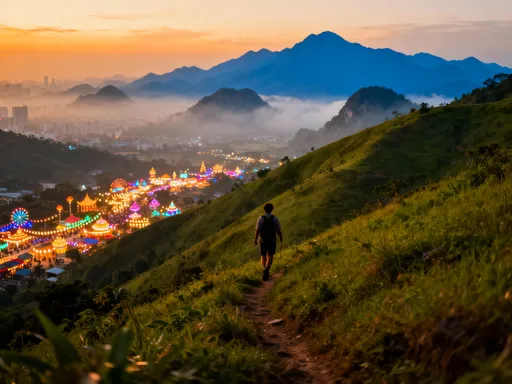
For those seeking a more immersive experience, the Mt. Gyunghoeun Trail offers one of the most rewarding hikes near the city center. Located in the northern part of Daejeon, this well-maintained path winds through a quiet forested area, beginning with a gentle ascent that’s manageable for most fitness levels. The trail is lined with native trees like zelkova and pine, their canopies filtering sunlight into soft golden patterns on the ground. Along the way, you’ll pass small shrines tucked into the hillsides, stone markers etched with poetry, and benches placed at intervals for rest and reflection.
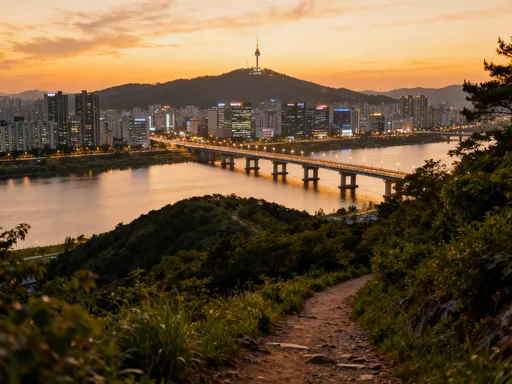
After about 30 to 40 minutes of steady walking, the trail opens up to a wide viewing platform that delivers a sweeping panorama of northern Daejeon. From this elevation, you can see the Hanbat Bridge arching gracefully over the Gapcheon River, its silhouette especially striking at dawn or late afternoon when the sun casts long shadows across the water. The city skyline rises gently in the distance, framed by forested hills that blur the line between urban and wild.
What makes this viewpoint special is its sense of solitude. Unlike more tourist-heavy spots in other Korean cities, Mt. Gyunghoeun remains a favorite among locals who come for quiet contemplation or early morning exercise. The air is fresh, the sounds of traffic fade away, and the only interruptions are birdsong and the rustle of leaves. It’s an ideal destination for mothers looking to escape the noise of daily life, even if just for an hour.
Visitors should plan their hike around sunrise or late afternoon to catch the best light. Early risers will be rewarded with a misty, dreamlike atmosphere as the city slowly wakes up below. Meanwhile, late afternoon hikes allow you to stay for sunset, when the sky turns shades of amber and rose, reflecting off the river like a watercolor painting. Wear comfortable shoes, bring a light jacket, and carry water — the trail is well-marked but lacks vending machines or restrooms near the summit.
The Urban Skyline from Yuseong’s Riverside Walkway
If hiking isn’t your preference, the Yuseong Riverside Walkway offers one of the most accessible and scenic urban views in Daejeon. Located in the Yuseong District, known for its hot springs and family-friendly parks, this paved promenade follows the curve of the Gapcheon Stream for several kilometers. The path is flat, stroller-friendly, and lined with trees, benches, and occasional art installations, making it perfect for a relaxed evening stroll or a peaceful morning walk.
As daylight fades, the walkway transforms. Streetlights flicker on, and the city lights begin to shimmer, reflecting off the slow-moving water like scattered stars. On clear nights, the reflection of buildings, bridges, and passing bicycles creates a mesmerizing mirror effect, doubling the beauty of the scene. Cafés and small tea houses along the route offer warm drinks and light snacks, allowing visitors to pause and soak in the atmosphere without rushing.
This area is particularly popular with families and couples, but it also attracts solo visitors who appreciate its calm energy. Unlike crowded downtown districts, Yuseong maintains a residential charm, where the pace of life feels slower and more intentional. The combination of gentle water sounds, soft lighting, and open views creates a soothing environment that’s ideal for unwinding after a long day.
For those traveling with children or older relatives, this walkway is a stress-free way to enjoy Daejeon’s beauty. There are no steep climbs, no entry fees, and plenty of places to sit and rest. The path connects to Yuseong Park and the famous hot spring areas, so you can easily extend your visit with a soak or a picnic. And because it’s well-lit and frequently patrolled, it’s considered safe for evening walks, even for women traveling alone.
A Hidden Gem: Bomunsan Observatory Near KAIST
Tucked away in a quiet residential neighborhood near the KAIST campus, the Bomunsan Observatory is a lesser-known lookout that offers one of the most intimate views of southern Daejeon. The climb to the top is short — about 15 to 20 minutes up a paved path — but the reward is immediate. At the summit, a wide concrete platform faces south, opening up to a panoramic view of the city’s southern districts, the glowing campus of KAIST, and the distant hills that mark the edge of the metropolitan area.
What makes this spot special is its tranquility. Unlike busier tourist sites, Bomunsan sees relatively few visitors, especially during weekdays. This makes it a favorite among students, researchers, and locals looking for a quiet place to think, read, or simply breathe. On clear nights, the lack of light pollution allows for surprisingly good stargazing, and it’s not uncommon to see small groups gathered with blankets and thermoses, enjoying the cool evening air.
The view from Bomunsan is both modern and serene. You can see the orderly grid of suburban neighborhoods, the soft glow of streetlights, and the occasional flash of a passing train. The KAIST campus, a symbol of Daejeon’s identity as a science and technology hub, shines with a quiet brilliance, its buildings illuminated in warm tones. It’s a reminder that progress and peace can coexist — a message that resonates deeply with women who value both family stability and personal growth.
Because this is a residential area, visitors are encouraged to be respectful of local etiquette. Keep noise to a minimum, avoid littering, and refrain from using bright flashlights or loud music. The goal is to preserve the peaceful atmosphere that makes this spot so special. A visit here feels less like tourism and more like a quiet privilege — a moment of stillness in the middle of a bustling city.
City and Sky at Night: Rooftop Cafés in Downtown Jung-gu
While Daejeon may not have high-rise sky bars, it does offer a charming alternative: rooftop cafés in the central Jung-gu District. These cozy establishments, often tucked above bookstores or boutique shops, provide intimate night views of the city’s urban grid. With large glass windows or open-air terraces, they allow guests to sip coffee or tea while watching the city pulse below.
One such café, located near Daejeon Station, offers a panoramic view of the downtown skyline. From its elevated perch, you can see the flow of traffic, the blinking signs of convenience stores, and the occasional pedestrian hurrying home. Inside, the atmosphere is warm and inviting — soft lighting, wooden furniture, and the gentle hum of conversation create a sense of comfort and safety. It’s the kind of place where a woman might meet a friend for a quiet chat or sit alone with a journal, feeling both connected and at peace.
These rooftop spots are particularly popular during cooler months, when the contrast between the warm interior and the crisp night air enhances the experience. Some cafés offer seasonal menus — pumpkin lattes in autumn, hot chocolate in winter — adding to the cozy charm. The views are not grand in the way of Seoul’s skyscrapers, but they are authentic, offering a glimpse into the everyday life of Daejeon.
For visitors, choosing a clear night is key. On foggy or rainy evenings, visibility is limited, but on crisp, cloudless nights, the city lights stretch out like a living map. The experience is less about spectacle and more about perspective — a chance to see the city from above, to feel a little removed from the rush, and to gain a new appreciation for the quiet order of urban life.
Seasonal Shifts: How Daejeon’s Views Transform Year-Round
One of Daejeon’s greatest strengths is how its scenery changes with the seasons, offering fresh perspectives throughout the year. Each season paints the city in a different palette, transforming familiar viewpoints into new experiences. Understanding these shifts can help travelers choose the best time to visit and deepen their connection to the city.
In spring, the riverbanks burst into life with cherry blossoms. The Gapcheon Stream becomes a tunnel of soft pink and white, especially beautiful when viewed from the Yuseong Walkway or a boat ride. Petals drift on the breeze, landing on the water like confetti, and families gather for picnics under blooming trees. This is a popular time for visitors, but arriving early in the morning can help avoid crowds and capture the most serene moments.
Summer brings lush green canopies and longer daylight hours. The hills around Mt. Gyunghoeun turn deep emerald, and the air hums with the sound of cicadas. While afternoons can be warm, early mornings and evenings are perfect for outdoor activities. Fireflies have been spotted along certain stretches of the river, adding a touch of magic to evening walks. This season is ideal for those who love vibrant, living landscapes.
Autumn is often considered the most breathtaking. The hills ignite with red, orange, and gold, particularly visible from elevated spots like Bomunsan or the Gyunghoeun summit. The crisp air enhances visibility, making distant views sharper and more vivid. It’s a favorite time for photographers and nature lovers, but also for anyone seeking a moment of quiet beauty in their busy lives.
Winter, though colder, offers its own rewards. With fewer leaves on the trees, sightlines open up, allowing for longer-distance views. On clear days, the cityscape stands out against a pale blue sky, and snow-dusted rooftops add a storybook charm. While outdoor time should be limited in freezing weather, a short visit to a heated rooftop café or a sunny afternoon walk can still deliver memorable moments.
Practical Tips for Chasing the Best Views
To make the most of Daejeon’s viewpoints, a little planning goes a long way. First, consider transportation. The city has an efficient public transit system, including buses and the Daejeon Metro, that can take you close to major trails and scenic areas. For Mt. Gyunghoeun, take Bus 605 to Gyunghoeun Park Entrance. For the Yuseong Walkway, the Yuseong Hot Spring Station on Line 1 is within walking distance.
Timing is equally important. To catch the golden hour — that magical period just after sunrise or before sunset — check the local weather app for exact times. Arriving 20 to 30 minutes early ensures you secure a good spot, especially at popular locations. Weekdays are generally less crowded than weekends, offering a more peaceful experience.
What to bring? Comfortable walking shoes are essential, especially for trails. A light jacket or sweater is recommended for evening visits, as breezes can be cool near the river. A power bank is a smart addition, ensuring your phone stays charged for photos and navigation. If you plan to stay for sunset or stargazing, consider bringing a small blanket or foldable stool for comfort.
Respect for the environment and local communities is crucial. Daejeon takes pride in its cleanliness and quiet neighborhoods. Always dispose of trash properly, avoid loud conversations in residential areas, and stick to marked paths. These small actions help preserve the beauty of the city for everyone.
Finally, remember that the best views often come to those who are patient and present. Put the phone down occasionally, breathe deeply, and let the scene sink in. Whether you’re a first-time visitor or a long-time resident, Daejeon has a way of revealing its beauty when you’re ready to see it.
Conclusion
Daejeon’s magic isn’t just in its labs or libraries — it’s in the quiet moments when the city opens up before you from a hilltop, a riverbank, or a rooftop café. These viewpoints offer more than scenery; they offer perspective. Whether you're passing through or staying awhile, make time to look up, look out, and let the view sink in. In a world that moves too fast, Daejeon reminds us to pause — and truly see. Each vista, from the golden hush of dawn on Mt. Gyunghoeun to the star-like reflections on the Gapcheon, tells a story of balance, beauty, and belonging. For the women who carry the weight of home and heart, these moments are not luxuries — they are nourishment. So take the path less crowded. Find your quiet corner. And let Daejeon’s gentle skyline remind you that peace is not far away — it’s just a view away.