Lost in the Rhythm of Real Maldivian Life
You know what? The Maldives isn’t just overwater villas and Instagram shots. I went to Kuramathi expecting paradise—and yeah, the beaches were insane—but what really hit me was the culture. Like, actual local life, not just resort vibes. From fishing with islanders to eating garudhiya under palm huts, this trip rewired my brain. You gotta experience it to get it. It wasn’t about luxury spas or infinity pools; it was about connection—about sitting on the sand with people who call this place home, laughing over shared food, and realizing that paradise isn’t a view, it’s a feeling.
Why Kuramathi Stands Out in the Maldives
Kuramathi distinguishes itself from the typical Maldivian getaway by offering a rare balance between resort comfort and authentic island culture. While many travelers choose secluded luxury resorts that float above the water like private dreams, Kuramathi is rooted in real geography and real community life. It is one of the few destinations in the archipelago where guests can step beyond manicured lawns and discover a living, breathing island society. This isn’t staged authenticity—it’s daily life unfolding just steps from beachfront bungalows. The island is divided into zones: one dedicated to guest accommodations and amenities, and another where Maldivian families live, work, and raise children. This coexistence creates a unique opportunity for cultural exchange, allowing visitors to witness traditions not as performances but as lived experiences.
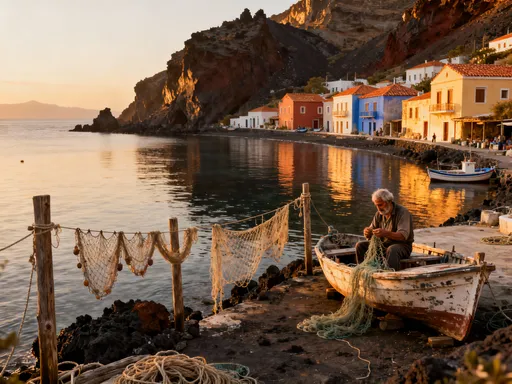
What makes Kuramathi exceptional is its accessibility to genuine interaction. Unlike private-island resorts that operate in isolation, this destination invites engagement. You might hear the morning call to prayer echoing across the palms, see children walking to school in crisp white uniforms, or pass fishermen mending nets in the shade. These moments are not curated for guests; they are simply part of the island’s rhythm. The natural beauty—powdery sand, turquoise lagoons, coral reefs teeming with life—remains as stunning as any postcard, but it’s the human element that transforms a vacation into something deeper. Here, travel becomes less about escape and more about presence.
For travelers seeking meaning beyond the surface, Kuramathi offers a model of sustainable, respectful tourism. The island’s infrastructure supports both tourism and local life without erasing the latter. Local artisans sell handwoven mats and carved wooden souvenirs at small markets, and resort staff often come from nearby communities, bringing their traditions into guest experiences. This integration fosters mutual respect and understanding. When you choose Kuramathi, you’re not just visiting a destination—you’re becoming a temporary part of a community that has thrived on these shores for generations.
Getting There: Practical Tips for First-Time Visitors
Reaching Kuramathi requires a combination of air and sea travel, beginning with a flight to Malé, the capital of the Maldives. From there, most visitors take a domestic flight to Raa Atoll, followed by a short boat transfer to the island. Alternatively, some opt for a scenic seaplane ride, which offers breathtaking aerial views of the atolls—endless rings of coral and water stretching into the horizon. While the journey may seem complex, it’s well-organized, with resort representatives often handling transfers and providing updates on timing and weather conditions.
One important consideration is timing. Transfers are weather-dependent, especially seaplane and boat services, so it’s wise to allow flexibility in your itinerary. Arriving early in the day increases the likelihood of a smooth connection, as operations typically halt by late afternoon. Checking in with your resort ahead of time ensures you receive accurate guidance on flight options and transfer schedules. Most resorts, including those on Kuramathi, provide detailed arrival instructions, including preferred airlines and recommended booking windows.
Packing appropriately enhances both comfort and cultural respect. Lightweight, breathable clothing is ideal for the tropical climate, but modest attire is essential when visiting local areas or interacting with residents. Women may choose to wear loose-fitting dresses or long skirts, while men often wear collared shirts and long pants during community visits. Reef-safe sunscreen is highly recommended to protect the fragile marine ecosystem, and reusable water bottles help reduce plastic waste. Don’t forget a wide-brimmed hat, sunglasses, and comfortable sandals suitable for walking on sand and boardwalks.
Visa regulations are straightforward for most travelers. Citizens of many countries receive a 30-day visa on arrival at Malé International Airport, provided they have a valid passport, proof of accommodation, and a return ticket. However, it’s always best to verify entry requirements based on your nationality before departure. Additionally, familiarizing yourself with basic Maldivian customs—such as greeting with a smile and using polite language—goes a long way in building positive interactions from the moment you land.
Living Like a Local: Daily Life on the Island
One of the most profound aspects of my stay on Kuramathi was how seamlessly daily island life became part of my routine. The pace is slower, more intentional. Mornings begin with the soft call to prayer, carried on the sea breeze, followed by the rustle of palm leaves and the distant chatter of children walking to school. Locals greet each other with warm “Assalaamu Alaikum” throughout the day, a simple phrase that carries deep respect and connection. There’s no rush here—meals take time, conversations linger, and people truly listen when you speak.
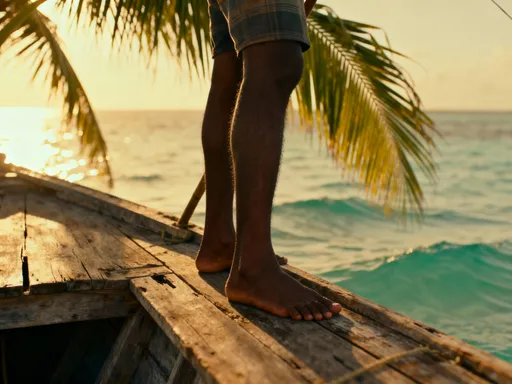
I had the privilege of joining local fishermen at dawn, boarding a traditional wooden dhoni as the sky turned from indigo to gold. These men navigate by memory and instinct, reading the tides and cloud patterns like a language passed down through generations. They use hand lines and simple nets, respecting the sea that sustains them. As we drifted over coral gardens, they shared stories of storms weathered and catches celebrated. There was no agenda, no performance—just the quiet pride of a way of life that remains unchanged despite the modern world knocking at the shore.
Back on land, life unfolds in unhurried harmony. Women knead dough for roshi, the Maldivian flatbread, cooking it over open flames in small outdoor kitchens. The scent of coconut oil and warm bread fills the air. Children run barefoot along sandy paths, chasing each other between homes made of coral stone and timber. Elders sit under shaded verandas, sipping sweet black tea and watching the world move at its own pace. These scenes are not for show—they are the fabric of everyday existence, and witnessing them felt like being let in on a quiet truth: that happiness doesn’t require extravagance, but presence.
What struck me most was the absence of separation between “resort” and “reality.” In many destinations, tourism exists in a bubble, sealed off from local life. But on Kuramathi, the two coexist. Resort staff live nearby, often returning home after shifts to join family meals. Guests can walk through local neighborhoods (with permission and respect), observe daily routines, and even be invited for tea. This proximity fosters understanding and breaks down the invisible walls that often exist between traveler and host.
Taste of Tradition: Experiencing Maldivian Cuisine
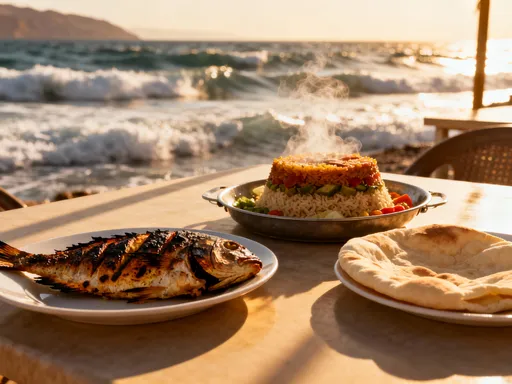
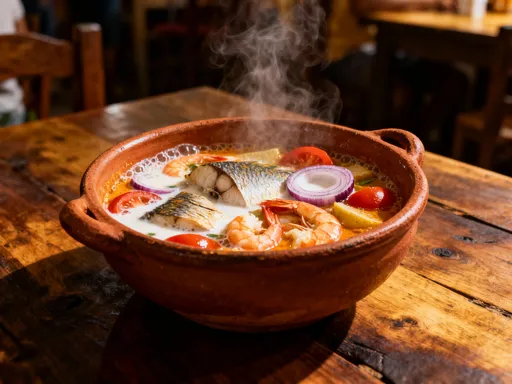
Food is where Maldivian culture reveals its soul. Unlike the buffet-style dining common in many resorts, eating like a local means sharing meals that are simple, nourishing, and rich with history. My most memorable experience was sitting on a woven mat inside a family’s open-air kitchen, tearing pieces of roshi by hand and dipping them into a steaming bowl of garudhiya—a clear fish broth made from tuna, flavored with onion, chili, and curry leaves. It was served with lime, grated coconut, and a side of mas huni, a breakfast staple made from shredded smoked tuna, coconut, onion, and chili, all mixed by hand.
There were no menus, no waiters, no pretense—just generosity. The family offered tea sweetened with palm sugar, poured from a thermos into small glasses. We ate slowly, talking between bites, laughing at my clumsy attempts to roll roshi without burning my fingers. This wasn’t a cultural performance; it was a real meal in a real home, and the warmth of the moment stayed with me long after the last bite. I realized that in a world where food is often rushed or consumed in isolation, this kind of shared eating is a rare gift.
Even within the resort, efforts are made to honor traditional flavors. Some chefs incorporate authentic recipes into their menus, offering guests a bridge between comfort and heritage. You might find firi firi—spicy, deep-fried dough twists—served as a snack by the pool, or huni roshi offered at breakfast alongside international options. Cooking demonstrations allow guests to learn how to prepare basic dishes, using ingredients like tuna, coconut, and roshi flour. I tried my hand at making mas huni, and though mine didn’t taste quite like the family’s version, the act of preparing it deepened my appreciation for the skill and care behind every meal.
Maldivian cuisine is shaped by the sea and the tropics—simple, resourceful, and deeply connected to the environment. Tuna is the cornerstone, preserved through smoking or drying to last through monsoon seasons. Coconut appears in nearly every dish, providing richness and texture. Meals are often eaten communally, reinforcing bonds between family and neighbors. By participating in this culinary tradition, even briefly, I felt a sense of belonging. Food, in its purest form, is a language of care—and on Kuramathi, it speaks clearly.
Cultural Etiquette: What to Know Before You Go
Respecting local customs is not just polite—it’s essential to meaningful travel in the Maldives. As a Muslim-majority country, daily life here is guided by Islamic principles. Modest dress is expected, especially in inhabited areas. Women should cover shoulders and knees, and men are advised to avoid sleeveless shirts and short shorts when visiting local neighborhoods. This isn’t about restriction; it’s about honoring a way of life that values humility and dignity. When in doubt, it’s always better to err on the side of modesty.
Alcohol is another important consideration. While resorts are licensed to serve alcohol to guests, it is strictly prohibited in local communities. On Kuramathi, this means that drinking is only allowed within designated resort areas. Carrying alcohol into local zones—even as a souvenir—is not permitted and can cause offense. Similarly, public displays of affection are discouraged, and physical contact between genders, such as handshakes, should be approached with caution. When greeting someone, a warm smile and verbal acknowledgment are often sufficient and appreciated.
Prayer times structure the day, with five calls to prayer observed across the island. During these moments, many locals pause their activities, and visitors are encouraged to be mindful and respectful. Swimming, loud music, or disruptive behavior near prayer areas should be avoided during these times. It’s also customary to remove shoes before entering homes or certain community buildings—a small gesture that shows respect for cleanliness and tradition.
Understanding these norms isn’t about fear of making mistakes—it’s about showing that you care. Most Maldivians are gracious and understanding of cultural differences, especially when visitors make an effort to learn and adapt. A simple “thank you” in Dhivehi (“shukuriyya”) or a respectful nod can go a long way. When you approach a culture with humility and curiosity, you open the door to genuine connection.
Beyond the Beach: Meaningful Activities That Connect You
The lagoon is undeniably beautiful—crystal-clear water, vibrant coral, sea turtles gliding beneath the surface—but the true heart of Kuramathi lies beyond the shoreline. Some of my most cherished memories came from activities that invited participation rather than observation. One evening, I joined a bodu beru drumming session, where local musicians played traditional rhythms on hand-carved drums. The beat was hypnotic, pulsing through the sand and into my chest. At first, I sat and watched, but soon, a young drummer handed me a drum and showed me the basic pattern. It wasn’t about perfection—it was about joining in, about feeling the rhythm that has united islanders for centuries.
Another night, I attended a storytelling gathering under a sky thick with stars. An elder shared tales of sea spirits, ancient shipwrecks, and island legends, his voice rising and falling like the tide. Children sat wide-eyed, absorbing history not from textbooks but from memory. These stories weren’t for entertainment; they were a way of preserving identity, of passing down wisdom through generations. Listening to them, I felt the weight and beauty of oral tradition—a reminder that not all knowledge is written.
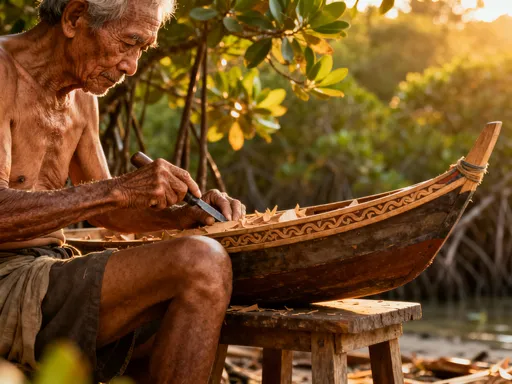
Some experiences happen organically. One afternoon, I stumbled upon a group of men repairing a damaged dhoni, their hands moving with practiced ease as they sanded wood and reattached planks. I asked if I could help, and though my carpentry skills were limited, they welcomed me with laughter and guidance. We worked in comfortable silence, broken only by jokes and shared sips of water. It wasn’t about the boat—it was about the act of building something together, of contributing, however small, to a community effort.
Other opportunities are facilitated by the resort, such as guided visits to local schools or cultural workshops. These are not tourist shows but real moments of exchange. When you paint with children, learn a traditional dance, or help plant coral fragments, you’re not just observing culture—you’re engaging with it. And in that engagement, you begin to see the resilience, creativity, and warmth that define Maldivian life.
How This Trip Changed My View of Island Travel
I used to think tropical vacations were about escape—about disconnecting from life and disappearing into sun, sand, and sea. But Kuramathi taught me that the most fulfilling travel isn’t about running away; it’s about leaning in. Instead of just taking photos, I found myself making memories rooted in real human exchange. I didn’t just see the Maldives—I felt it. I laughed with children who taught me Dhivehi words, shared stories with elders who remembered storms from decades past, and sat in silence with fishermen who knew the stars better than any map.
Returning home, I didn’t just miss the ocean—I missed the people. I missed the slow mornings, the unhurried conversations, the way a simple “hello” could turn into an hour of connection. That’s the shift: from seeing destinations as backdrops for our lives to recognizing them as living, breathing communities with their own rhythms, values, and stories. When we travel with curiosity and respect, we don’t just take memories—we leave with gratitude.
Kuramathi showed me that island travel can be more than luxury or leisure. It can be a bridge. A bridge between cultures, between ways of living, between hearts. If you’re planning your next getaway, consider going beyond the brochure. Seek out places where life unfolds naturally, where people welcome you not as a customer, but as a guest. Travel like this doesn’t just change your perspective—it changes you. And that, more than any sunset or snorkeling trip, is the real treasure of the Maldives.