Why Busan’s Theme Zones Are a Must-See – My Honest Take
You know that feeling when a city surprises you? Busan did exactly that. I went for the beaches but stayed for its vibrant theme areas—each with its own rhythm, culture, and vibe. From artsy alleyways to bustling port markets, these zones aren’t just tourist spots—they’re living experiences. If you're planning a trip, understanding them can seriously level up your journey. Let me break down why they matter and how to explore them like a local. Busan, South Korea’s second-largest city, is often overshadowed by Seoul’s global spotlight. Yet this coastal gem offers something the capital can’t match: a layered urban experience where sea, history, art, and daily life intertwine. Its theme zones—distinct neighborhoods shaped by geography, heritage, and local energy—invite travelers to move beyond surface-level sightseeing and engage with the city’s authentic pulse.
Introduction to Busan’s Unique Urban Tapestry
Busan is more than Korea’s port city; it is a cultural crossroads shaped by trade, war, and resilience. Unlike the centralized grandeur of Seoul, Busan unfolds in chapters, each neighborhood telling its own story. These theme zones are not artificially constructed tourist districts but organically evolved spaces where locals live, work, and gather. They reflect the city’s maritime soul, its postwar reconstruction, and its modern embrace of art and leisure. Understanding these areas transforms a visit from a checklist of attractions into a meaningful journey through lived-in landscapes.
The concept of theme zones in Busan is rooted in function and history. Haeundae developed as a seaside resort, Nampo-dong as a commercial hub, and Gamcheon as a refugee settlement that later became an artistic haven. Each area carries its past visibly—through architecture, street life, and community practices. This makes them ideal for immersive travel. Instead of viewing Busan through a single lens, visitors can piece together its identity by experiencing its contrasts: the quiet of a mountain temple against the roar of a fish market, the energy of youth fashion beside centuries-old rituals.
For travelers, especially those in their 30s to 50s seeking depth and authenticity, these zones offer a chance to connect with Korea beyond K-pop and tech. They allow for slower exploration, meaningful interactions, and moments of unexpected beauty. Planning a trip around these areas—not just landmarks—leads to smarter itineraries. You can align your interests with specific districts, avoid overcrowded spots, and experience daily rhythms rather than staged performances. This approach fosters respect, reduces tourist fatigue, and deepens appreciation for how locals shape their city.
Haeundae & Gwangalli: Where Beach Culture Meets City Pulse
Haeundae Beach is more than a postcard-perfect shoreline—it is a cultural institution. Stretching over 1.5 kilometers along the East Sea, it draws millions every summer, yet retains a sense of openness and order. The beach is framed by high-rise hotels, seafood restaurants, and a wide promenade perfect for morning walks or evening strolls. What sets Haeundae apart is its balance between leisure and local life. While tourists sunbathe, locals practice tai chi, families fly kites, and couples share bingsu under beach umbrellas. This blend of relaxation and community makes it a true urban beach experience.
The surrounding district offers more than sun and sand. Cultural venues like the Busan Cinema Center, home of the annual Busan International Film Festival, anchor the area with modern architecture and public events. Nearby, luxury shopping malls and wellness centers cater to those seeking comfort, while smaller cafes and bookshops tucked into side streets offer quieter retreats. The key to enjoying Haeundae is timing. Visiting in early morning or late afternoon avoids peak crowds and intense sun. Weekdays are noticeably calmer than weekends, especially during peak season from July to August.
Just south along the coast, Gwangalli Beach presents a different but equally captivating energy. Smaller and more intimate, it is best known for the stunning light show of Gwangan Bridge, which illuminates the night sky in synchronized colors. The bridge, completed in 2010, has become a symbol of Busan’s modernity. Along the Gwangalli shoreline, a string of cafes and rooftop bars allows visitors to enjoy the view with a warm drink or fresh seafood. The area’s café culture is particularly welcoming to families and women traveling solo, offering safe, relaxed spaces to unwind.
Local etiquette on the beach is simple but important. Shoes are removed before stepping onto the sand, and litter is carried out—cleanliness is taken seriously. Public restrooms and shower facilities are well-maintained and free to use. For families, shaded areas and nearby playgrounds make both beaches child-friendly. While swimming is allowed, currents can be strong, so staying within marked zones is advised. Whether you come for the water, the views, or the vibe, Haeundae and Gwangalli together represent Busan’s ability to blend natural beauty with urban sophistication.
Jagalchi Market & Nampo-dong: The Heartbeat of Seafood and Street Life
No visit to Busan is complete without stepping into Jagalchi Market, one of Asia’s largest and most vibrant fish markets. Located near the port, it has been the city’s seafood heart for generations. The market is a sensory immersion—rows of glistening fish, live octopuses in tanks, and the rhythmic calls of vendors announcing their daily catch. Unlike sanitized food halls, Jagalchi is raw and real, offering a direct connection to Busan’s maritime identity. Here, seafood isn’t just food; it’s culture, economy, and tradition all at once.
Visitors can observe the auction-like energy of the lower floors, where wholesalers and restaurant owners negotiate prices, or head upstairs to dining areas where fresh fish is prepared on the spot. Eating raw fish, or hoesik, is a local specialty, and many stalls offer set meals with side dishes included. For those hesitant about raw seafood, grilled mackerel, spicy squid stew, and seafood pancakes are widely available and equally delicious. Food safety is generally high—vendors maintain clean workspaces, and many display hygiene certifications. Still, it’s wise to choose busy stalls with high turnover and drink bottled water.
Adjacent to Jagalchi, Nampo-dong extends the experience into the realm of street life and retail. This district pulses with retro charm, where old-school barber shops sit beside trendy boutiques and street food carts. Gukje Market, one of Korea’s oldest traditional markets, lines the streets with colorful canopies and offers everything from kitchenware to hanbok fabrics. Bargaining is expected here, though politely—starting at 70% of the quoted price is common, with friendly negotiation leading to a fair middle ground.
Navigating Nampo-dong is easiest on foot. The area is compact and well-signed, with public restrooms and seating areas scattered throughout. For families, it’s a place where generations can find something to enjoy—grandparents haggle for tea sets, parents browse vintage clothing, and children savor tteokbokki from a street vendor. Cultural landmarks like the BIFF Square, named after the Busan International Film Festival, add artistic flair with murals and celebrity handprints. The district’s energy peaks in the late afternoon and early evening, making it ideal for a full-day exploration that transitions from market visits to dinner and casual shopping.
Gamcheon Culture Village: Art, Hills, and Hidden Stories
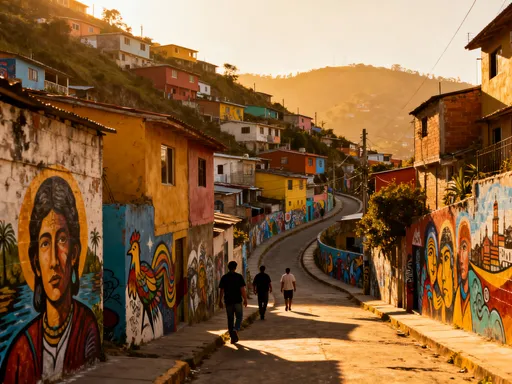
Perched on a hillside overlooking the city, Gamcheon Culture Village is one of Busan’s most photographed and heartfelt destinations. Once a modest residential area for refugees during the Korean War, it faced decline in later decades. In the 2010s, a city-led revitalization project transformed it into an open-air art district, preserving its narrow alleys and steep staircases while inviting artists to paint murals, install sculptures, and open small galleries. The result is a living canvas where art and daily life coexist.
Walking through Gamcheon feels like stepping into a storybook. Houses painted in bright blues, yellows, and pinks cascade down the slopes, connected by winding paths lined with whimsical figures—a cat peering from a windowsill, a child on a bicycle frozen in metal. Informational signs in English and Korean share the history of the neighborhood and the meaning behind certain artworks. Visitors receive a ‘passport’ at the entrance, which they can stamp at various cultural points, turning exploration into a gentle, interactive journey.
The village is more than aesthetics. It is home to about 700 families, and efforts have been made to ensure tourism benefits residents. Many homes operate as mini-galleries, teahouses, or craft workshops, where visitors can purchase handmade goods or try traditional crafts like paper folding. Some elderly residents welcome quiet conversations, offering glimpses into life before the transformation. Respecting privacy is essential—photographing homes only from public paths and avoiding loud behavior preserves the dignity of those who live here.
Accessibility is limited due to the steep terrain, but ramps and handrails have been added in key areas. Comfortable walking shoes are a must, and carrying water is recommended, especially in summer. The best time to visit is mid-morning or late afternoon, when light enhances the colors and crowds are thinner. For families, it’s a place that inspires creativity and conversation, where children can learn about history and art in an engaging, non-formal setting. Gamcheon proves that beauty can emerge from hardship—and that communities can reclaim their spaces with imagination and care.
Seomyeon: Urban Energy and Everyday Korean Life
If Busan has a downtown, it is Seomyeon. Unlike the coastal or historic districts, Seomyeon is not marketed as a tourist destination—but that’s what makes it valuable. As the city’s busiest intersection and transportation hub, it offers an unfiltered view of contemporary Korean life. Office workers rush between meetings, students gather in study cafes, and families browse department stores under glass ceilings. For travelers seeking authenticity, Seomyeon provides a window into how Busanites live, shop, and relax on a typical day.
The area is a nexus of convenience. Major subway lines converge here, making it a practical base for exploring other parts of the city. Department stores like Lotte and Shinsegae offer a full range of goods, from cosmetics to home appliances, often with tax-free options for international visitors. Underground shopping malls stretch for blocks, providing shelter from rain or heat while offering affordable fashion, accessories, and snacks. Dining options range from fast-service noodle bars to sit-down restaurants serving regional dishes like dwaeji gukbap, a pork soup beloved by locals.
What stands out in Seomyeon is the rhythm of efficiency and order. Despite the crowds, the flow of people is smooth, guided by clear signage and social norms. Trash is sorted meticulously, escalators are ridden on the right, and queues are respected. Observing these small acts of civic care can be as enlightening as any museum visit. For women travelers, the area feels safe and well-lit, with frequent security patrols and helpful staff in major buildings.
While Seomyeon lacks the visual drama of other zones, it rewards those who slow down. Sitting in a second-floor café with a view of the intersection, you might notice the changing seasons in people’s clothing, the rhythm of rush hour, or the quiet moments between commutes. It’s also a place to observe youth culture—through fashion, music, and social interactions—without intruding. By experiencing Seomyeon not as a stopover but as a destination, visitors gain a deeper understanding of modern Korea’s urban heartbeat.
Beomeosa Temple and the Green Escape to Geumjeongsan
Just 30 minutes from central Busan, Beomeosa Temple offers a striking contrast to the city’s energy. Nestled at the foot of Geumjeongsan Mountain, this 7th-century Buddhist temple is an active religious site and a haven of calm. Founded in 678 AD, it has survived wars and rebuilding, standing today as a place of worship, meditation, and cultural preservation. The temple grounds unfold in a series of wooden halls, stone pagodas, and quiet courtyards, surrounded by forest and the sound of wind through pines.
Visitors are welcome to walk the grounds quietly, observing rituals from a respectful distance. Shoes are removed before entering main halls, and photography is allowed in outdoor areas but not inside sacred spaces. Some visitors choose to participate in temple stay programs, which include morning prayers, vegetarian meals, and meditation sessions. These programs, while not mandatory, offer a profound way to experience Korean spirituality and mindfulness. Even a short visit can feel restorative, especially after days of urban exploration.
For those seeking activity, the Geumjeongsan Fortress trail begins near the temple. This 17-kilometer wall, built in the 8th century to defend the region, winds along mountain ridges with panoramic views of Busan. The most popular hike covers 4–5 kilometers from the temple to the main fortress gate and back, taking about 2.5 hours at a moderate pace. The trail is well-marked, with rest areas and water stations. Spring and autumn offer the most comfortable temperatures, while summer hikes require early starts to avoid heat.
Packing essentials include sturdy shoes, sunscreen, a hat, and at least one liter of water. Snacks and light meals are available at the temple entrance. The path includes steep sections, so it’s best suited for those with moderate fitness. Families with older children can manage the initial climb, which leads to a scenic overlook within 30 minutes. The combination of history, nature, and physical activity makes this one of Busan’s most rewarding day trips—a reminder that peace and adventure can coexist just beyond the city limits.
Taejongdae and Oryukdo: Nature’s Drama at the City’s Edge
At the southern tip of Busan lies Taejongdae, a nature park that showcases the raw power of the sea against volcanic cliffs. Once a royal hunting ground, it is now a protected area managed by the city for conservation and public enjoyment. The park features walking trails, observation decks, and a small botanical garden, all set within dense evergreen forest. The highlight is the view from Uigisa Pavilion, where the ocean crashes against the Oryukdo Islands—a cluster of six rocky islets rising from the surf.
The geological drama here is breathtaking. Waves erode the basalt cliffs in slow motion, creating sea caves and arches that shift with the tides. A ropeway and elevator provide access for those with limited mobility, but the walking trails are the best way to experience the park’s beauty. The main loop trail takes about 90 minutes and includes several lookout points, each offering a different perspective. On clear days, the horizon stretches endlessly, and the sound of the surf creates a natural meditation.
Weather plays a big role in the experience. Mornings often bring clearer skies, while afternoons can be foggy or windy. Winter visits offer solitude and dramatic storm views, while spring brings blooming azaleas. The park is family-friendly, with paved paths, benches, and clean restrooms. Children enjoy the small train ride near the entrance, and picnic areas allow for relaxed meals with a view. Photography enthusiasts will find endless opportunities—from seagulls in flight to the play of light on wet rocks.
Access is straightforward by public bus from Nampo-dong or Seomyeon. For a more scenic approach, the Ilgwang–Gwangalli seaside rail trail offers a 10-kilometer path along the coast, passing beaches, fishing villages, and coastal forests. This trail, part of a larger greenway project, reflects Busan’s commitment to sustainable tourism. Whether arriving by bus, bike, or foot, Taejongdae and Oryukdo represent nature’s enduring presence at the edge of the urban world—a reminder that cities and wildness can coexist in harmony.
Conclusion: Why Theme Areas Transform Travel in Busan
Busan’s theme zones do more than showcase attractions—they reveal the soul of a city built on resilience, creativity, and connection to the sea. Each area offers a different lens: Haeundae and Gwangalli for coastal joy, Jagalchi and Nampo-dong for culinary and commercial energy, Gamcheon for artistic renewal, Seomyeon for urban rhythm, Beomeosa and Geumjeongsan for spiritual and natural retreat, and Taejongdae for coastal grandeur. Together, they form a mosaic that invites deeper engagement.
The true value of these zones lies in moving beyond sightseeing. They encourage travelers to slow down, observe, and connect—with places, with people, and with themselves. Instead of chasing checklists, visitors can design itineraries that reflect their interests, whether art, food, nature, or daily life. This mindful approach leads to more meaningful memories and a greater appreciation for how cities live and evolve.
For women in their 30s to 50s, often balancing family, work, and self-care, Busan offers a travel experience that is both enriching and restorative. The city is safe, well-connected, and full of quiet moments amid its energy. Its theme zones allow for flexibility—active days and peaceful retreats, group exploration and solo reflection. As you plan your journey, consider not just where to go, but how to be present. Let Busan’s neighborhoods guide you not just through a city, but toward a deeper understanding of place, culture, and connection. In the end, travel is not about collecting photos, but about gathering moments that stay with you long after you return home.